2008 - Age of Awakening / 2016 - Age of disclosures / 2021 - Age of Making Choices & Separation / Next Stage - Age of Reconnection and Transition! /
2024 - Two millenia-old Rational Collectivist societal cycle gives way to the Self-Empowered Individualism. /
2025 Golden Age begins
Global narratives and "theories of everything" are always false! Only Personal Narrative is true!
Showing posts with label med. Show all posts

Wednesday, April 4, 2012

White Rice - no - Carbohydrates and Diabetes

.

Newly published paper: White rice consumption and risk of type 2 diabetes: meta-analysis and systematic review


Quote:

Results Four articles were identified that included seven distinct prospective cohort analyses in Asian and Western populations for this study. A total of 13 284 incident cases of type 2 diabetes were ascertained among 352 384 participants with follow-up periods ranging from 4 to 22 years. Asian (Chinese and Japanese) populations had much higher white rice consumption levels than did Western populations (average intake levels were three to four servings/day versus one to two servings/week). The pooled relative risk was 1.55 (95% confidence interval 1.20 to 2.01) comparing the highest with the lowest category of white rice intake in Asian populations, whereas the corresponding relative risk was 1.12 (0.94 to 1.33) in Western populations (P for interaction=0.038). In the total population, the dose-response meta-analysis indicated that for each serving per day increment of white rice intake, the relative risk of type 2 diabetes was 1.11 (1.08 to 1.14) (P for linear trend < 0.001).

Thursday, December 1, 2011

Arterial plaque = glucose + insulin, C14 traced study

Atheroma (from wiki)

A "blast from the past": two old forgotten papers that were never followed up, as far as I was able to find.  I wonder why not?

--------------

INSULIN STIMULATED LIPOGENESIS IN ARTERIAL TISSUE IN RELATION TO DIABETES AND ATHEROMA
R. W. Stout, Lancet p702,1968

Summary

Discussion (p1 of 2)
Discussion (p2 of 2)


INSULIN STIMULATION OF CHOLESTEROL SYNTHESIS BY ARTERIAL TISSUE

R.W. Stout, Lancet p467,1969


Summary
Discussion (p1 of 2)
Discussion (p2 of 2)

----------------------------
Dav0 found a more recent paper by Stout (thanks):


Insulin and Atheroma: 20-Yr Perspective, Robert W Stout, MD, DSc, FRCP

Quote:

Five population studies have shown that insulin responses to glucose are higher in populations at greater risk of cardiovascular disease. Many of the hyperinsulinemic populations also had upper-body obesity, hypertriglyceridemia, lower highdensity lipoprotein (HDL) levels, and hypertension. These prospective studies support an independent association between hyperinsulinemia and ischemic heart disease, although their results differ in detail. Hyperinsulinemia is associated with raised triglyceride and decreased HDL cholesterol levels.


.

Saturday, September 24, 2011

How Our Genes Respond to the Foods We Eat

.
Interesting and important research coming from Berit Johansen,Ingerid Arbo, Hans-Richard Brattbakk et al., from the Norwegian University of Science and Technology (note *):

Feed Your Genes: How Our Genes Respond to the Foods We Eat

Butter
Quotes:

If you could ask your genes to say what kinds of foods are best for your health, they would have a simple answer: one-third protein, one-third fat and one-third carbohydrates. That's what recent genetic research from the Norwegian University of Science and Technology (NTNU) shows is the best recipe to limit your risk of most lifestyle-related diseases.

NTNU researchers Ingerid Arbo and Hans-Richard Brattbakk have fed slightly overweight people different diets, and studied the effect of this on gene expression.

"We have found that a diet with 65% carbohydrates, which often is what the average Norwegian eats in some meals, causes a number of classes of genes to work overtime," ... "This affects not only the genes that cause inflammation in the body, which was what we originally wanted to study, but also genes associated with development of cardiovascular disease, some cancers, dementia, and type 2 diabetes -- all the major lifestyle-related diseases," she says.

"Both low-carb and high-carb diets are wrong," says Johansen. "But a low-carb diet is closer to the right diet. A healthy diet shouldn't be made up of more than one-third carbohydrates (up to 40 per cent of calories) in each meal, otherwise we stimulate our genes to initiate the activity that creates inflammation in the body." This is not the kind of inflammation that you would experience as pain or an illness, but instead it is as if you are battling a chronic light flu-like condition. Your skin is slightly redder, your body stores more water, you feel warmer, and you're not on top mentally. Scientists call this metabolic inflammation.

It was not only inflammatory genes that were putting in overtime, as it would turn out. Some clusters of genes that stood out as overactive are linked to the most common lifestyle diseases.
"Genes that are involved in type 2 diabetes, cardiovascular disease, Alzheimer's disease and some forms of cancer respond to diet, and are up-regulated, or activated, by a carbohydrate-rich diet," says Johansen.

"We're not saying that you can prevent or delay the onset of Alzheimer's if you eat right, but it seems sensible to reduce the carbohydrates in our diets," she suggests.

The immune system operates as if it is the body's surveillance authority and police. When we consume too many carbohydrates and the body is triggered to react, the immune system mobilizes its strength, as if the body were being invaded by bacteria or viruses.
"Genes respond immediately to what they have to work with. It is likely that insulin controls this arms race," Johansen says. "But it's not as simple as the regulation of blood sugar, as many believe. The key lies in insulin's secondary role in a number of other mechanisms. A healthy diet is about eating specific kinds of foods so that that we minimize the body's need to secrete insulin. The secretion of insulin is a defense mechanism in response to too much glucose in the blood, and whether that glucose comes from sugar or from non-sweet carbohydrates such as starches (potatoes, white bread, rice, etc.), doesn't really matter."

Johansen has some encouraging words, however, for those of us who have been eating a high carbohydrate diet. "It took just six days to change the gene expression of each of the volunteers," she says, "so it's easy to get started. But if you want to reduce your likelihood of lifestyle disease, this new diet will have to be a permanent change."

The best is to cut down on potatoes, rice and pasta, and to allow ourselves some of the good stuff that has long been in the doghouse in the refrigerator.
"Instead of light products, we should eat real mayonnaise and sour cream," Johansen says, "and have real cream in your sauce, and eat oily fish.

Fountain-of-youth genes

Johansen's research also shows that some genes are not up-regulated, but rather the opposite -- they calm down rather than speed up.

"It was interesting to see the reduction in genetic activity, but we were really happy to see which genes were involved. One set of genes is linked to cardiovascular disease. They were down-regulated in response to a balanced diet, as opposed to a carbohydrate-rich diet," she says. Another gene that was significantly differently expressed by the diets that were tested was one that is commonly called "the youth gene" in the international research literature.
"We haven't actually stumbled on the fountain of youth here," Johansen laughs, "but we should take these results seriously. The important thing for us is, little by little, we are uncovering the mechanisms of disease progression for many of our major lifestyle-related disorders."


---------------
(I wish to express my thanks to chili_in_a_can from McDougall's vegan forum for publishing the article link)

---------------

Contact: Berit Johansen, Department of Biology, NTNU
TEL. +47 73 59 86 91 E-MAIL: berit.johansen at bio dot ntnu dot no

More articles on this topic:

What should we eat to stay healthy?

Best diet: One-third protein, carbs, fat

------------------------

*) Note the effect this article may have had in Norway, recently (December 2011): link


.

Tuesday, August 16, 2011

Fat disrupts sugar sensors in pancreas causing type 2 diabetes

.

That's why a diet simultanously high in fat and carbs is detrimental, but a diet high in either one and not both, is not!

See on BBC health:

http://www.bbc.co.uk/news/health-14503480

(Source: "Pathway to diabetes through attenuation of pancreatic beta cell glycosylation and glucose transport")

This is important finding that clears a lot of confusion. I used to answer countless of questions from diabetics (on other forums), the most frequent was this, paraphrasing:

"Why should I eat high fat diet if we know that it would increase my already high insulin resistance?"

This article is telling us that the answer to this is that it won't!

It will make pancreas stop reacting to blood glucose while you are eating fat AND carbohydrates at the same time. This won't matter you eat fat on its own with very little or no carbs! On the other hand, diabetic insulin resistance appears in this light to be a totally different phenomenon - related to body tissues and organs being permanently resistant to insulin that is already produced by pancreas and circulating throughout the body!

Will fat affect the tissue insulin resistance as well? Yes - probably by reducing it!  As me and millions of other people who tried Dr. Jan Kwasniewski's Optimal Diet, have found!

We are probably dealing here with two opposing effects:

1) Detrimental effect of dietary fat upon pancreas preventing it from reacting to blood glucose
(Which matters if and only if one consumes significant amount of carbohydrates together and simultaneously with fat).

2) Positive long term effect of dietary fat upon body tissues and organs

Can a fatty meal impair cardiovascular health? Absolutely, since it can lead to hyperglycemia due to (1) if the meal is also high in carbs  (I will pass that carrot cake, thank you...)

Can a high fat meal reduce the risk of cardiovascular disease (see this)? Absolutely! If it is low in carbohydrates!

This clarifies also another issue, namely Dr. Kwasniewski's claim that a diet with 35-45% fat by calories is the most detrimental to one's health (for adults). It makes a lot more sense in the light of this article. (Note: since a diet typically would contain 10-20% protein, therefore 35-45% fat means 35-55% carbohydrates, by calories).

Bottom line:
- Do not mix high carbohydrate diet with high fat nutrition!

------------ Update 30-Aug-2011 -------------------

Read this:

Fat and Diabetes: Bad Press, Good Paper, and the Reemergence of Our Good Friend Glutathione


.

Saturday, June 11, 2011

It's the sugar, stupid!

.

Sugar (from Wiki)

John Yudkin - High intake of sucrose and heart attacks(*)

Quote:
In spite of these difficulties, such studies have already shown that sucrose, in proportions within the range found in current human dietaries, produces an increase in plasma lipids, uric acid, insulin and cortisol; abnormalities in platelet behavior; reduction in glucose tolerance; tissue resistance to insulin; damage to the liver and the kidney, and an increase in lipid in the aorta.

Potential role of sugar (fructose) in the epidemic of hypertension, obesity and the metabolic syndrome, diabetes, kidney disease, and cardiovascular disease, by Johnson et al.


Quote:
It is our opinion that the potential mechanisms underlying the epidemic should be carefully reappraised. On the basis of both he experimental studies performed in our laboratories and an extensive review of the literature, we revisit an old hypothesis hat a simple dietary substance may have a significant role in driving the epidemic. Interestingly, reappraising the role of sugar nd its influence in the development of cardiorenal disease may lead to a new understanding of why certain populations, such as African Americans, Native Americans, Maori, and Australian Aborigines, are at greater risk of developing the disease. Similar to the relation between high intakes of salt or protein and the risk of developing kidney disease or to the relation between a high-fat diet and the atherosclerotic phenotype, we propose that sugars containing fructose may play a major role in the development of hypertension, obesity, and the metabolic syndrome and in the subsequent development of kidney disease. Although physical inactivity and overeating are major contributors to the obesity epidemic, we present evidence that fructose may be the "caries" to the epidemic’s root.

...

One unique aspect of fructose is that it is the only sugar that raises uric acid concentrations, and this can be shown in both humans (56) and rodents (57). Fructose enters hepatocytes and other cells (including tubular cells, adipocytes, and intestinal epithelial cells), where it is completely metabolized by fructokinase with the consumption of ATP; unlike in glucose metabolism, there is no negative regulatory mechanism to prevent the depletion of ATP. As a consequence, lactic acid and uric acid are generated in the process, and uric acid concentrations may rise by 1–4 mg/dL after the ingestion of a large fructose-based meal (58). Although the rise in uric acid concentrations has historically been viewed as simply a potential risk factor for inducing gout, recent studies suggest that this may be a key mechanism to explain how fructose causes cardiovascular disease. In addition, it also provides a mechanism to explain why rodents are relatively resistant to the effects of fructose (see below).

FRUCTOSE-INDUCED HYPERURICEMIA AS A MECHANISM FOR CARDIORENAL DISEASE

Nakagawa et al (51) recently showed in experimental animals that lowering uric acid concentrations could largely prevent features of the metabolic syndrome induced by fructose, including weight gain, hypertriacylglycerolemia, hyperinsulinemia and in-
sulin resistance, and hypertension. The protective effect of lowering uric acid concentrations on the development of the metabolic syndrome was shown regardless of whether the uric acid concentrations were lowered by using a xanthine oxidase inhibitor or a uricosuric agent (51). These studies were surprising, because most authorities had considered uric acid to be either biologically inert or an important antioxidant in the plasma (59). However, uric acid was found to have numerous deleterious biologic functions. For example, uric acid stimulates both vascular smooth muscle cell proliferation and the release of chemotactic and inflammatory substances (60–62), induces monocyte chemotaxis (63), inhibits endothelial cell proliferation andmigration (64, 65), and causes oxidative stress in adipocytes, which results in the impaired secretion of adiponectin (66).

In animals, the effect of elevated uric acid concentrations is even more pronounced. For example, mildly hyperuricemic rats develop hypertension because of the inhibition of nitric oxide synthase in themacula densa, the stimulation of intrarenal renin, and a reduction in endothelial nitric oxide bioavailability (67). Over time, hyperuricemic rats develop renal arteriosclerosis that then causes the animals to develop a salt-sensitive form of hypertension.
...

WHY ARE AFRICAN AMERICANS SUSCEPTIBLE TO CARDIOVASCULAR DISEASE?

It is well known that African Americans have higher rates of obesity, hypertension, diabetes, kidney disease, and heart disease. ... Recent studies also have documented that the sugar intake of African Americans is greater than that of whites (110, 111). Similar high sugar intakes were noted in studies of Australian Aborigines and Samoans living in New Zealand (112,113). Furthermore, it is known that African Americans have higher concentrations of uric acid (114); in the African American Study of Hypertension and Kidney Disease, the average uric acid concentration was 8.3 mg/dL (115).

...

If the hypothesis is correct that fructose has a role in the epidemic of cardiovascular disease, then a number of predictions should arise from future studies. First, fructose intake will be a risk factor for hypertension, insulin resistance, hypertriacylglycerolemia, obesity, type 2 diabetes, preeclampsia, chronic kidney disease, stroke, cardiovascular disease, and mortality.  Second, reducing uric acid in patients with uric acid concentrations [greater than] 6.0 mg/dL will improve endothelial dysfunction, decrease systemic vascular resistance, lower blood pressure, lower triacylglycerol concentrations, improve body weight, lower the risk of the progression of renal disease, and reduce cardiovascular disease risk. Third, low-fructose diets coupled with mild purine restriction will improve weight and reduce cardiovascular disease risk. Fourth, fructokinase will be identified as a key enzyme mediating the cardiorenal disease syndrome; genetic polymorphisms will be associated with cardiovascular disease risk, and blocking the enzyme will provide a novel way to prevent cardiorenal disease. Clearly, much more work needs to be done to prove or disprove this hypothesis.

*) Found that through Mark's blog - The Definitive Guide to Saturated Fat
.

Saturday, April 30, 2011

Low-level ionising radiation protects against cancer!

.

Quote:

The projections of thousands of late cancer deaths based on LNT, are in conflict with observations that in comparison with general population of Russia, a 15% to 30% deficit of solid cancer mortality was found among the Russian emergency workers, and a 5% deficit solid cancer incidence among the population of most contaminated areas.

Paper :   
Observations on the Chernobyl Disaster and LNT. (thanks Peter for pointing it out)

LNT stands for "Linear Non-Threshold" hypothesis that postulates that no matter how low level of radiation, its harmful effects accumulate and add up over time.

This and other papers posted in this blog ( Gamma radiation protects against cancer, in low doses seems to indicate that this theory is dead.
.

Friday, November 26, 2010

Drug trial success - anacetrapib did not kill significantly more than placebo!

.
This is great news for Merck regarding their new HDL-boosting-LDL-busting drug Anacetrapib.  Published about a week ago:

Safety of Anacetrapib in Patients with or at High Risk for Coronary Heart Disease

Quote: "The prespecified Bayesian analysis indicated that this event distribution provided a predictive probability (confidence) of 94% that anacetrapib would not be associated with a 25% increase in cardiovascular events, as seen with torcetrapib."

See also this:

Merck’s Risky Bet on Heart Drugs May Yield Lipitor-Like Success

Interestingly, the company's stock declined by about 5% in November to date.
.

Friday, November 12, 2010

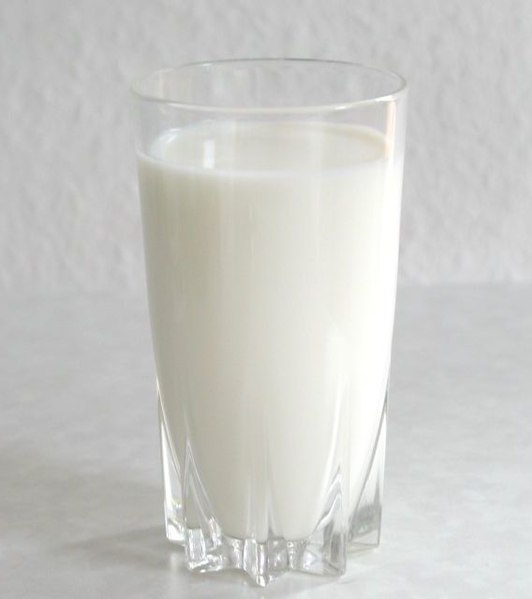
Cow's milk formula triggers t1 diabetes, new study

.

Dietary Intervention in Infancy and Later Signs of Beta-Cell Autoimmunity

A journalist's write-up is here

Double-blind study on 230 infants with HLA-conferred susceptibility to type 1 diabetes and with at least one family member with type 1 diabetes, were split into test group fed casein hydrolizate based formula, and the control group fed conventional cow's milk based formula.

Autoantibodies to insulin, glutamic acid decarboxylase (GAD), the insulinoma-associated 2 molecule (IA-2), and zinc transporter 8 were analyzed, as well as monitored for the incidence of diabetes t1, until the age of 10.  

The risk of developing diabetes t1 markers in the casein hydrolizate group was substantially reduced - by  ~50%, compared with the control group reciving cow's milk formula!

-------------------
Updated (14-Nov-2010)   This is going to be a story of two food villains and one food hero.


There is more to milk that 1 paper. Much more: a study involving a billion people. The China study. I am going to dump some facts here for the reference.

My source of data is Mono Mortality document. A cursory look at all diseases with the focus on correlation with milk reveals that milk correlates positively with almost all diseases! The same cursory look reveals also that two other food items: wheat flour and eggs correlate very consistently too across most diseases,
one positively one negatively. Note: positive correlation means that an increase in consumption is associated with more disease and more harm, whereas negative correlation means an increase in consumption is associated with less risk of a disease. The main bullet points of this review are these:

* Wheat flour correlates positively with almost all diseases (except pulmonary TB in adults)

* Milk correlates positively with almost all diseases (except diabetes)

* Eggs correlate negatively with almost all diseases (except cancer, diabetes and IHD)

One should keep in mind that a correlation is no causuation, however the fact that milk and wheat and eggs correlate simultaneously and follow the same consistent pattern, albeit with different signs, may indicate that something real is going on in the human biochemistry in relation to those foods. This is a strong indication that more reseaarch should be made to investigate the effect. This is also a indictment against Cornell University that sat on such a rich set of data for a decade without doing anything usefull about it. (Other than letting one of their staff profesor hijack the study title to propagate his veganism!)


--------------

Here are some examples, I will list correlation factors from the above linked document, for disease mortalities against wheat, milk and eggs only.  Correlation factors are given as two digit numbers in percentage, followed by the food item.

M015 Pullmonary TB (age 0-34):+34 Milk , -27 Eggs
M016 Pullmonary TB (age 35-69): -29 Wheat
M018 Other TB (age 35-69): +52 Wheat, -30 Eggs
M023 All cancer (age 35-69): +31 Eggs
M043 Endocrine (age 0-34): -36 Eggs
M044 Endocrine (age 35-69): -31 Milk
M045 Diabetes (age 35-69): -29 Milk, +26 Eggs
M050 Mental (age 0-34): +75% Milk
M059 All Vascular (age 35-69): +56 Wheat, +29 Milk, -26 Eggs
M060 Rheumatic (age 0-34): +37 Milk, -35 Eggs
M061 Rheumatic (age 35-69): +26 Wheat, -32 Eggs
M062 Hypertension (age 35-69): +43 Wheat, +75 Milk, -28 Eggs
M063 Ischaemic heart d.(age 35-69): +59 Wheat, +25 Eggs
M065 Stroke (age 35-69): +43 Wheat
M066 All vasc excl stroke (0-34): +33 Wheat, +42 Milk, -43 Eggs
M067 All vasc excl stroke (age 35-69):+65 Wheat, +50 Milk, -33 Eggs
M068 All respiratory (age 0-34): +50 Milk, -27 Eggs
M069 All respiratory (age 35-69): - (no correlation) -
M070 Pneumonia (age 0-34): +51 Milk, -27 Eggs
M071 Pneumonia (age 35-69): -32 Eggs
M087 Pregnancy and birth: +41 Wheat, +49 Milk, -48 Eggs
M104 Maternal mort.: +38 Wheat, +46 Milk, -42 Eggs

.

Wednesday, November 10, 2010

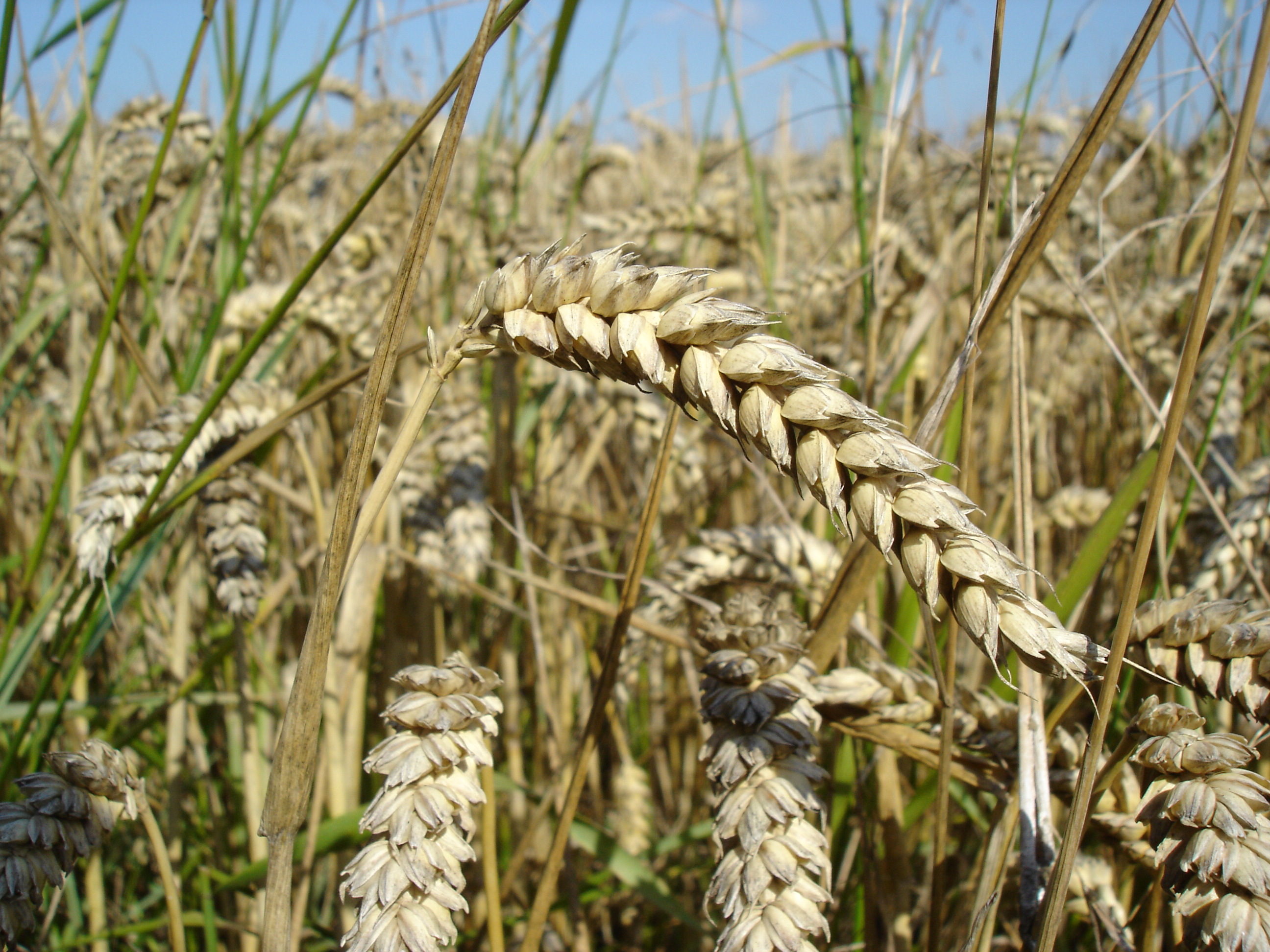
Is modern wheat variety more toxic?

.
This time I am posting some blog links, to indicate an important issue that we should really pay a very close attention to:

 Dwarf mutant wheat

Why do morphine-blocking drugs make you lose weight?

The second link discusses the addictive opiate-like properties of wheat exorphines.

Very interesting discussions of metabolic and biochemnical effects of wheat:

Hyperlipid Blog


To complete the picture, here is another must-read article by Denise Minger on this subject:

The China Study, Wheat, and Heart Disease; Oh My!

Last but not least my own simple graph presentation of China study heart disease versus wheat consumption:

China Study says wheat is associated with vascular disease
.

Saturday, September 4, 2010

Vit D in childhood and diabetes T1 or schizophrenia - almost total protection!

.

Fatty fish, such as salmon etc, are natural sources of vitamin D. (source - Wikipedia)

How often do we see a statistical risk reduction of some disease 8-times (relative risk reduction RR=0.12) or by a factor of 12 (RR=0.08)?   One cannot be 100% sure based on the outcome of just two studies but I am tempted to entertain an idea of the TOTAL PROTECTION, with the residual incidents possibly explained by non-conformance or observational errors.

Intake of vitamin D and risk of type 1 diabetes: a birth-cohort study.

Quote:

Vitamin D supplementation was associated with a decreased frequency of type 1 diabetes when adjusted for neonatal, anthropometric, and social characteristics (rate ratio [RR] for regular vs no supplementation 0.12, 95% CI 0.03-0.51, and irregular vs no supplementation 0.16, 0.04-0.74. Children who regularly took the recommended dose of vitamin D (2000 IU daily) had a RR of 0.22 (0.05-0.89) compared with those who regularly received less than the recommended amount. Children suspected of having rickets during the first year of life had a RR of 3.0 (1.0-9.0) compared with those without such a suspicion.


Vitamin D supplementation during the first year of life and risk of schizophrenia: a Finnish birth cohort study.

Quote:


RESULTS: In males, the use of either irregular or regular vitamin D supplements was associated with a reduced risk of schizophrenia (Risk ratio (RR)=0.08, 95% CI 0.01-0.95; RR=0.12, 95% CI 0.02-0.90, respectively) compared with no supplementation. In males, the use of at least 2000 IU of vitamin D was associated with a reduced risk of schizophrenia (RR=0.23, 95% CI 0.06-0.95) compared to those on lower doses. There were no significant associations between either the frequency or dose of vitamin D supplements and (a) schizophrenia in females, nor with (b) nonpsychotic disorder or psychotic disorders other than schizophrenia in either males or females.

CONCLUSION: Vitamin D supplementation during the first year of life is associated with a reduced risk of schizophrenia in males. Preventing hypovitaminosis D during early life may reduce the incidence of schizophrenia.

Update (6/9/2010):

Another paper on the subject (thanks Neonomide):

Relation of schizophrenia prevalence to latitude, climate, fish consumption, infant mortality, and skin color: a role for prenatal vitamin d deficiency and infections?

A review article by J.J. Cannell MD of "The Vitamin D Council":

The Vitamin D Newsletter August 2009, Vitamin D and Schizophrenia

More update (18/09/2010)

Paper: Schizophrenia, gluten, and low-carbohydrate, ketogenic diets: a case report and review of the literature

Quote:

C.D. is a 70 year-old Caucasian female with a diagnosis of schizophrenia since the age of seventeen. Her diagnosis was based on paranoia, disorganized speech, and hallucinations. She reported both auditory and visual hallucinations,... she has had these hallucinations on almost a daily basis since the age of seven. ...has also been hospitalized at least five times over the last six years for suicide attempts and increased psychotic symptoms.

... Over the course of 12 months, C.D. has continued the low-carbohydrate, ketogenic diet and has had no recurrence of her auditory or visual hallucinations. She has also continued to lose weight (body weight 131.4 kilograms) and experience improvements in her energy level.
.

Saturday, June 19, 2010

Butter and cream twice as effective as statin

.


Relative risk reduction by 49%!

Conjugated linoleic acid in adipose tissue and risk of myocardial infarction

Quote:

Results: Adipose tissue 9c,11t-CLA was associated with a lower risk of MI in basic and multivariate models. Compared with the lowest quintile, odds ratios and 95% CIs were 0.80 (0.61, 1.04) for the second, 0.86 (0.64, 1.14) for the third, 0.62 (0.46, 0.84) for the fourth, and 0.51 (0.36, 0.71) for the fifth quintiles (P for trend <0.0001). Dairy intake was not associated with risk of MI, despite a strong risk associated with saturated fat intake [*].


--------------
*) The last sentence is a bul..t of course.  There is no extra cardiac risk associated with saturated fat as many other studies such as this  this or this have shown.

(JC - thanks for the link)
.

Sunday, June 13, 2010

Working notes on cholesterol and diet

.

The following "features/benefits" matrix, represents qualitative risk estimate of heart disease versus total blood cholesterol level (vertically), and versus diet (horizontal). In each cell a value 0(no risk) to 5(very high), would represent a qualitalive heart disease risk based on a subjective estimate. It would probably look like this:

TotCholV.low fat veganmed.fat low sugarmed-hi fat hi sugarhi fat lo carb
high2351
med1130
low23not happen1

Disclaimer Note:

This is my conjecture/guesswork based on my my medical literature study. This was constructed as an aid in a discussion with my forum friends. This is not a scientific data, PLEASE DO NOT QUOTE THIS! The numbers are subjective reflecting my belief in the reality rather than the reality itself. They are intended only to illustrate a trend rather than to quantify it.

Please note that I do not believe that the cholesterol level is a causual factor (i.e. causing disease), I believe that it is just a marker thus too high or too low a level may indicate that something else is wrong with the endocrine system, and that "something else" may be contributing to a heart disease.

I do not separate medium fat low sugar from medium fat vegetarian low sugar because I do not believe that vegetarianism per se matters. Rather, I focus on the dietary sugar contents. In my table, the Standard American (and European) Diet would be in the medium-high fat (35-45% calories) high sugar (>10% calories) column. I follow a convention where "very low fat" means about 10%, "low fat" 20% and "medium fat " 30%, High cholesterol is about 250mg/dl or higher, low cholesterol is about 150mg/dl or lower.

I think that rather than asking ourselves "How much fat?", "What fat?", or "what cholesterol?" we should be asking ourselves how much sugar is still safe to eat?.
.

Monday, May 24, 2010

Argument that MMR vaccines may be harmful ...

.
... has been recently strengthened by the suspiciously poor quality of the debunking against it!  An ongoing controversy about the possible link between measles, mumps and rubella vaccines and autism, has been brought recently to a peak by the disbarrment of Dr. Andrew Wakefield by Britain's General Medical Council announced on Monday.    Nowhere in the criticism of his paper, his detractors have openly argued against the merit, logic and science of the actual research.  I could not find any statement that would said something like "the paper is wrong because this or that".  Instead, Dr. Wakefield's character is being criticized and the conclulsions condemning his study have been reached by the committee, based apparently on some of his procedural and administrative "transgressions".     What exactly are Dr. Wakefield's "crimes"?

- ordered research on nine children without his hospital's ethics committee approval. Three of them had invasive procedures they did not need, the statement said. [took blood samples?]

 - failed to disclose that the research was being done to test a theory that there was a link between the vaccine and "a new syndrome."

- mislead readers about how children were chosen for the study,...

- ordered investigations on five children while he was at London's Royal Free Hospital, although he was not a pediatrician and his terms of employment said he should have no involvement in the clinical management of patients,...

- accepted 50,000 pounds (currently $72,000) to act as an expert witness in an MMR court case, misled authorities about the payment, and misused half of it, the GMC found.

 - had blood samples taken from children at a birthday party - which the panel found "an inappropriate social setting" - without ethics committee approval, paid the children 5 pounds each, and later joked about it in a public presentation, the GMC said.

- Subsequent research has been unable to duplicate Wakefield's findings.

- "Since Wakefield's study came out, some 20 other studies [I am impressed! S.B.] have come out, and each one of these studies, done by different researchers, in different populations and in different countries, has denied the associations between vaccines and autism," he said. "Scientifically, this story is over."

----------- update (24/05/2010) ------

An interview with Dr. Wakefield can be heard on BBC - 1h47m to 1h57m into this programme .
and here is a short video interview.   Thanks Lee.


---------------------------------------------------

It is no measure of health to be well adjusted to a profoundly sick society. Jiddu Krishnamurti

Friday, May 21, 2010

Gamma radiation protects against cancer, in low doses?

.
Cancer mortality reduction by 97% - huge!  Is it true?  Hormesis?

Paper:
  "Effects of Cobalt-60 Exposure on Health of Taiwan Residents Suggest New Approach Needed in Radiation Protection",   W.L. Chen et al.,   Dose Response. 2007; 5(1): 63–75, 

Quote:

... serendipitous contamination of 1700 apartments in Taiwan with cobalt-60 (T1/2 = 5.3 y). This experience indicates that chronic exposure of the whole body to low-dose-rate radiation, even accumulated to a high annual dose, may be beneficial to human health. Approximately 10,000 people occupied these buildings and received an average radiation dose of 0.4 Sv, unknowingly, during a 9-20 year period. They did not suffer a higher incidence of cancer mortality, as the LNT theory would predict. On the contrary, the incidence of cancer deaths in this population was greatly reduced-to about 3 per cent of the incidence of spontaneous cancer death in the general Taiwan public. In addition, the incidence of congenital malformations was also reduced - to about 7 per cent of the incidence in the general public. These observations appear to be compatible with the radiation hormesis model.

   Figure 1 from the same paper.  Click to magnify and hires.


More readings:

1. by D.W.Miller, MD:  Afraid of Radiation

2.  Keeping the Lights On

3. by William R. Ware, Ph.D.:  Low-Dose Radiation Exposure and Risk of Cancer

4. Caroline Hadley: "What doesn’t kill you makes you stronger", Nature, EMBO reports   VOL 4 | NO 10 | 2003

5. Bernard L. Cohen: "Test of linear no threshold theory of radiation carcinogenesis for inhaled radon decay products", University of Pittsburgh 1994

Fig 1a from Cohen's paper 

To annoy anti-nuclear environuts:    Letter... 

More refs added (02-Mar-2011):

6.  Rheumatology 2000;39:894–902;
"Long-term efficacy of radon spa therapy in rheumatoid arthritis—a randomized, sham-controlled study and follow-up"


7. Int.J.Low Radiation,Vol.1,No.4,2005; "Nuclear shipyard worker study (1980–1988): a large cohort exposed to low-dose-rate gamma radiation"


see also John Cameron's (one of the study author) write-up here

Quote:

In 1980, the US Department of Energy (DOE) gave a contract to the School of Public Health at Johns Hopkins University to study radiation risks to nuclear shipyard workers. This study, which extended for more than a decade, cost the taxpayers $10 million. This was the World's best epidemiological study of nuclear workers. The study has yet to be published more than 12 years after its completion in early 1988.
...
The reader may think that the nuclear shipyard study is contradicted by other human studies. I know of no contradictory studies. One other radiation worker study--the British radiologists study. (Smith and Doll 1981)-- also looked at the death rate from all causes. It gives results consistent with NSWS. (Table 2.)

.

Eating less processed meat and more poultry, fish reduces cancer

.
New cancer-diet study, just being published in AJCN:

"Meat, fish, and ovarian cancer risk: results from 2 Australian case-control studies, a systematic review, and meta-analysis."

Results from 2 case-controlled studies were combined and presented (see blue numbers below), and separately, a combined meta-analysis from 7 additional studies was also presented (red numbers).  Bulleted conclusions are as follows:

  • No association (within statistical significance) of red meat consumption with ovarian cancer.
  • Women with the highest intake of processed meats had +18% and +20%  more ovarian cancer.
  • Women with the highest intake of poultry had -17% and -10% less ovarian cancer (statistically borderline).
  • Women with the highest intake of fish had -24% and -16% less ovarian cancer.

-------

As I am with this topic, here is some more nutritional heresy.  Enjoy.

"Health Benefits of a Low-Carbohydrate, High-Saturated-Fat Diet"

written by cardiologist
Dr. Donald W. Miller, Jr.

I could not help noticing how similar, no - virtually identical are mine and his interests and views, except that he has been enjoying his life assignment 15 years earlier, before me.  I strongly urge readers to read all Dr. Miller's articles on his website!
.

Saturday, May 1, 2010

Refined Carbohydrates, not Fats, Threaten the Heart - Official!!

.

(From Wikipedia)
Spot the junk bits!

Scientific American Magazine - April 27, 2010

Title: "Carbs against Cardio: More Evidence that Refined Carbohydrates, not Fats, Threaten the Heart"

Quotes:

...compared the reported daily food intake of nearly 350,000 people against their risk of developing cardiovascular disease over a period of five to 23 years. The analysis, overseen by Ronald M. Krauss, director of atherosclerosis research at the Children’s Hospital Oakland Research Institute, found no association between the amount of saturated fat consumed and the risk of heart disease.

... Stampfer’s findings do not merely suggest that saturated fats are not so bad; they indicate that carbohydrates could be worse. A 1997 study he co-authored in the Journal of the American Medical Association evaluated 65,000 women and found that the quintile of women who ate the most easily digestible and readily absorbed carbohydrates—that is, those with the highest glycemic index—were 47 percent more likely to acquire type 2 diabetes than those in the quintile with the lowest average glycemic-index score. (The amount of fat the women ate did not affect diabetes risk.)  And a 2007 Dutch study of 15,000 women ... who were overweight and in the quartile that consumed meals with the highest average glycemic load, a metric that incorporates portion size, were 79 percent more likely to develop coronary vascular disease ...

Another issue facing regulatory agencies, notes Harvard’s Stampfer, is that “the sugared beverage industry   [and vegetarians, my comment - H.]  is lobbying very hard and trying to cast doubt on all these studies.”

... Some monounsaturated and polyunsaturated fats, such as those found in fish and olive oil, can protect against heart disease. What is more, some high-fiber carbohydrates are unquestionably good for the body. But saturated fats may ultimately be neutral compared with processed carbs and sugars such as those found in cereals, breads, pasta and cookies.


“If you reduce saturated fat and replace it with high glycemic-index carbohydrates, you may not only not get benefits—you might actually produce harm,” Ludwig argues. The next time you eat a piece of buttered toast, he says, consider that “butter is actually the more healthful component.”


Stan (not-so-Heretic)

.

Sunday, April 25, 2010

Cheese - reduced risk of incident and fatal cancer

.
New European  EPIC study ,  just published.


24 thousand participants, over 10 years, 28% reduction in cancer mortality, mostly associated with prostate and lung cancers. Only dairy (not vegetable) source of vitamin K had any effect.

Quote:

24,340 participants aged 35–64 y and free of cancer at enrollment (1994–1998) were actively followed up for cancer incidence and mortality through 2008. Dietary vitamin K intake was estimated from food-frequency questionnaires completed at baseline by using HPLC-based food-composition data.


Results: During a median follow-up time of >10 y, 1755 incident cancer cases occurred, of which 458 were fatal. Dietary intake of menaquinones was nonsignificantly inversely associated with overall cancer incidence (HR for the highest compared with the lowest quartile: 0.86; 95% CI: 0.73, 1.01; P for trend = 0.08[*]), and the association was stronger for cancer mortality (HR: 0.72; 95% CI: 0.53, 0.98; P for trend = 0.03). Cancer risk reduction with increasing intake of menaquinones was more pronounced in men than in women, mainly driven by significant inverse associations with prostate (P for trend = 0.03) and lung (P for trend = 0.002) cancer. We found no association with phylloquinone intake[**].


Conclusion: These findings suggest that dietary intake of menaquinones[**], which is highly determined by the consumption of cheese, is associated with a reduced risk of incident and fatal cancer.

My comments:

*) Accepted threshold for "significance" is P<=0.05 that is probability of the result being by chance are less or equal than 5%. P=0.08 means that the total cancer incidence results were also close to being significant, with the probability of being false of 8%.

**) Phylloquinone is the form of vitamin K (K1) that is present in plants. Menaquinones are forms of K2 present in non-plant food sources such as meat, organ meat and dairy (MK-4) or some types of yeasts (MK-7, MK-9).

It is interesting to reflect at this stage at the infamous "The China Study" book by Dr. T.C. Cambpell from Cornell University. For many years Campbell has been claiming that cheese (specifically caseine) supposedly caused cancer in his experimental mice and it was also presumed to be certain, according to him, to cause cancer in humans. Countless of vegans must have used Campbell's book to justify avoiding all dairy products.

Now it turnes out that the China Study must have been a mistake.  Some people like Chris Masterjohn, have been pointing that out in the past, to no avail probably due to high academic credibility of the book author.  (*)

False knowledge seems to be more harmful than no knowledge.

Heretic

_______________________________

References:

Am J Clin Nutr. 2010 May;91(5):1348-58. Epub 2010 Mar 24.
"Dietary vitamin K intake in relation to cancer incidence and mortality: results from the Heidelberg cohort of the European Prospective Investigation into Cancer and Nutrition (EPIC-Heidelberg)."
Nimptsch K, Rohrmann S, Kaaks R, Linseisen J.


http://www.westonaprice.org/1799-Cure-for-Cancer-Activator-X-May-Be-the-Missing-Link-1799.html

http://blog.cholesterol-and-health.com/2010/01/weston-prices-activator-x-cure-for.html

http://www.cholesterol-and-health.com/index.html

http://wholehealthsource.blogspot.com/2009/03/are-mk-4-and-mk-7-forms-of-vitamin-k2.html

http://wholehealthsource.blogspot.com/2008/06/vitamin-k2-menatetrenone-mk-4.html

-------------------------------------

*) Updated 12-July-2010 - see also this post .

.

Wednesday, April 14, 2010

Running causes heart attacks

.

12% of marathon runners were found in a German study to have suffered heart atacks versus only 4% among  the age-matched control subjects.

This is important!  You have to read more about it on Kurt's blog here   and there . (Thanks for bringing this subject!).

It turns out that marathon runners not only carried more frequent traces of  past myocardiac infarction events, than the average age-matched population, but also had 62% more atherosclerotic plaque as showed in this research.  The true extent of atherosclerosis among runners is likely to be even higher than that, because the control group in that study wasn't random.  It was selected from among patients undergoing the same scan for symptomatic or suspected heart abnormalities.

Has there ever been a study on marathon runners using a diet other than high carb?

.

Tuesday, April 13, 2010

Carbohydrates increase women's heart risk

.


New large Italian study published in Archives of Internal Medicine is described on the BBC Health web site.

A study of over 47,000 Italian adults found that women alone whose diets contained a lot of bread, pizza and rice doubled their heart disease risk.

After seven years, 463 participants had developed coronary heart disease.

The researchers found that the women whose diet had the highest glycaemic load had more than double the risk of heart disease compared with those women with the lowest glycaemic load. 

The authors concluded: "Thus, a high consumption of carbohydrates from high-glycaemic index foods, rather than the overall quantity of carbohydrates consumed, appears to influence the risk of developing coronary heart disease."
  This is somewhat contradictory since the GlycemicLoad concept being a product of Glycemic Index times daily intake in grams, does include all types of carbohydrates not just those of the highest glycemic index.   Also, the fact that the correlation showed up among women but not men is a bit suspicious.

Last but not least, there is no mention of "artery-clogging" fat!  I wonder why?

.

Sunday, March 7, 2010

Vegetarian Bantu have worse CHD markers than non-vegetarian!

I could not resist re-posting this pearl (thanks Peter):


Lancet. 1996 Sep 21;348(9030):784-8. "Blood pressure and atherogenic lipoprotein profiles of fish-diet and vegetarian villagers in Tanzania: the Lugalawa study."

Quote:
INTERPRETATION: In these villagers, consumption of freshwater fish (300-600 g daily) was associated with raised plasma concentrations of n-3 polyunsaturated fatty acids, lower blood pressure, and lower plasma lipid concentrations.
 Heretic's translation:
   Vegetarianism sucks.