.
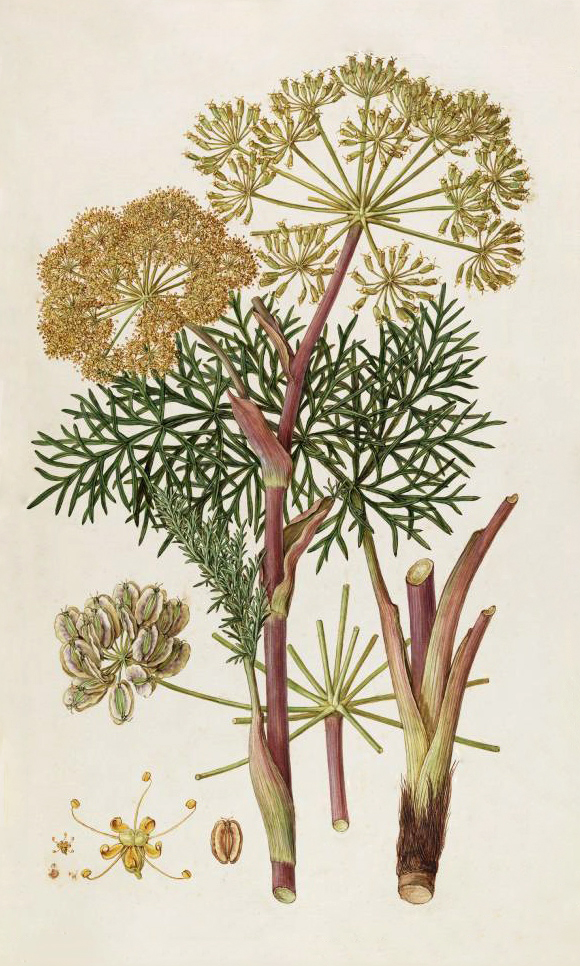 Thapsia garganica


El Nino To The Rescue
-
We had almost no snow last winter in southeast Wyoming, but this year seems
to be getting off to a better start.
6 days ago
.
Ivermectin: enigmatic multifaceted ‘wonder’ drug continues to surprise and exceed expectationsAbstract Over the past decade, the global scientific community have begun to recognize the unmatched value of an extraordinary drug, ivermectin, that originates from a single microbe unearthed from soil in Japan. Work on ivermectin has seen its discoverer, Satoshi Ōmura, of Tokyo’s prestigious Kitasato Institute, receive the 2014 Gairdner Global Health Award and the 2015 Nobel Prize in Physiology or Medicine, which he shared with a collaborating partner in the discovery and development of the drug, William Campbell of Merck and Co. Incorporated. Today, ivermectin is continuing to surprise and excite scientists, offering more and more promise to help improve global public health by treating a diverse range of diseases, with its unexpected potential as an antibacterial, antiviral and anti-cancer agent being particularly extraordinary.Ref added 3-Sep-2021: "Ivermectin, a potential anticancer drug derived from an antiparasitic drug", by Mingyang Tanga et al., Pharmacological Research, Volume 163, January 2021, 105207
Highlights
- Ivermectin effectively suppresses the proliferation and metastasis of cancer cells and promotes cancer cell death at doses that are nontoxic to normal cells.
- Ivermectin shows excellent efficacy against conventional chemotherapy drug-resistant cancer cells and reverses multidrug resistance.
- Ivermectin combined with other chemotherapy drugs or targeted drugs has powerful effects on cancer.
- The structure of crosstalk centered on PAK1 kinase reveals the mechanism by which ivermectin regulates multiple signaling pathways.
- Ivermectin has been used to treat parasitic diseases in humans for many years and can quickly enter clinical trials for the treatment of tumors.
Abstract Ivermectin is a macrolide antiparasitic drug with a 16-membered ring that is widely used for the treatment of many parasitic diseases such as river blindness, elephantiasis and scabies. Satoshi ōmura and William C. Campbell won the 2015 Nobel Prize in Physiology or Medicine for the discovery of the excellent efficacy of ivermectin against parasitic diseases. Recently, ivermectin has been reported to inhibit the proliferation of several tumor cells by regulating multiple signaling pathways. This suggests that ivermectin may be an anticancer drug with great potential. Here, we reviewed the related mechanisms by which ivermectin inhibited the development of different cancers and promoted programmed cell death and discussed the prospects for the clinical application of ivermectin as an anticancer drug for neoplasm therapy.
.
| PROS1 | |
|---|---|
| * | PROMOTES ANTI-THROMBOTIC STATE |
| * | AIDS IN SUPPRESSION OF COAGULATION |
| * | ACTIVATES TAM (RTK) DOWNREGULATING IMMUNE FUNCTION |
| * | SUPPRESSES INNATE IMMUNE FUNCTION |
| * | PREVENTS CYTOKINE STORM |
| * | IS SYNTHESIZED IN ENDOTHELIAL CELLS ALONGSIDE ACE2 |
| SARS-CoV-2 | |
|---|---|
| 1. | BINDS TO ACE2 PRODUCED IN ENDOTHELIUM, PENETRATES INTO ENDOTHELIAL CELLS |
| 2. | DESTROYS ENDOTHELIUM REDUCING PRODUCTION OF PROS1 THERE |
| 3. | REDUCTION OF PROS1 PROMOTES BOTH CLOTTING AND CYTOKINE STORM (RUNAWY IMMUNE RESPONSE) |
... It is concluded that ACE2+ endothelial damage is a central part of SARS-CoV2 pathology and may be induced by the spike protein alone.
We have made a big mistake by incoculating people with the toxic spike-protein"
To the Editor - For certain diseases, patients who have been previously infected by one strain of a virus and who are later infected by another strain can suffer outcomes that are worse than those infected only once. One explanation for this phenomenon is that differences between two viral serotypes can compromise the ability of antibodies induced by the first infection to neutralize the second one; instead, the antibodies elicited by the first infection ‘bridge’ the second viral strain to immunoglobulin G (IgG) antibody constant region (Fc) receptors on immune cells, such as macrophages. Because this bridging is believed to enable viral entry into immune cells, shifting the tropism of the virus1, the outcome manifests as an antibody-dependent enhancement (ADE) of infection and a potentially more serious recurrence of disease. This phenomenon is often observed when antibody concentrations decrease as a result of waning immunity; an antibody may neutralize potently at high concentrations but cause enhancement of infection at sub-neutralizing concentrations.More reference papers:
.
I am posting it as a place-holder to prompt a further digging.
.
The experiments show that besides anesthetic characteristics, xenon also has organ protective effect on heart and brain. The mechanism of this influence has not been sufficiently explained yet. According to a theory, brain damage after hypoxic/ischemic insult is caused by neuron apoptosis, which is influenced by the activation of N-methyl-D-aspartate receptor. It was demonstrated that xenon blocks this receptor. Therefore, xenon seems to be used for example in neonatal asphyxia (David 2003). After experimental occlusion of coronary artery performed in xenon anesthesia, quicker recovery of heart was demonstrated in comparison with total intravenous anesthesia (Hartlage 2004).
.
.
Two papers:1) https://onlinelibrary.wiley.com/doi/abs/10.1111/j.1349-7006.1992.tb02342.x
2) https://www.birpublications.org/doi/full/10.1259/bjr.75.895.750637
Quote: Since inhibition of SERCA is a mechanism of action that has been used to target solid tumors, thapsigargin has attracted research interest. A prodrug of thapsigargin, mipsagargin, is currently undergoing clinical trials for the treatment of glioblastoma.
... The task has been taken on by Samuel Denmeade, an oncologist at Johns Hopkins University in Baltimore. He and his team spent 15 years engineering an analogue of thapsigargin, the active ingredient in the plant, to fight cancer cells exclusively. Thapsigargin typically works by passing through cell membranes and shutting down calcium pumps – essential for cell survival – on the inside of cells. Denmeade’s team modified the thapsigargin molecule by adding an extra peptide chain which prevents the toxin from entering cells. That is, until it encounters PSMA – an enzyme commonly found on the surface of many prostate cancer cells. PSMA cleaves the extra chain off the toxin, setting it free to do its devastating business. Precision killer While traditional chemotherapy drugs only target cells undergoing rapid growth, this new toxin is a generalist, destroying not just the cancer cells currently growing, but also those lying dormant as well as non-cancer cells recruited to help the tumour grow. ...
.
COVID-19: Montreal Heart Institute concludes colchicine tablet is effectivePatients involved needed to be over the age of 40 and have at least one risk factor for possible complications. The results showed the medication helped reduce hospitalizations by a quarter, the need for mechanical ventilation by half and deaths by 44 per cent.
.
"Sugar Industry and Coronary Heart Disease Research/A Historical Analysis of Internal Industry Documents" Cristin E. Kearns, Laura A. Schmidt, and Stanton A. Glantz, JAMA Intern Med. 2016 Nov 1; 176(11): 1680–1685.Results
SRF’s [Sugar Research Foundation] Interest in Promoting a Low-Fat Diet to Prevent CHD Sugar Research Foundation president Henry Hass’s 1954 speech, “What’s New in Sugar Research,”12 to the American Society of Sugar Beet Technologists identified a strategic opportunity for the sugar industry: increase sugar’s market share by getting Americans to eat a lower-fat diet:...
If the carbohydrate industries were to recapture this 20 percent of the calories in the US diet (the difference between the 40 percent which fat has and the 20 percent which it ought to have) and if sugar maintained its present share of the carbohydrate market, this change would mean an increase in the per capita consumption of sugar more than a third with a tremendous improvement in general health.
The industry would subsequently spend $600 000 ($5.3 million in 2016 dollars) to teach “people who had never had a course in biochemistry… that sugar is what keeps every human being alive and with energy to face our daily problems.” ..
Growing Evidence That Sucrose Elevates Serum Cholesterol Level
... Hickson proposed that the SRF “could embark on a major program” to counter Yudkin and other “negative attitudes toward sugar.”
... Finally, here commended that SRF fund CHD research: “There seems to be a question as to whether the [atherogenic] effects are due to the carbohydrate or to other nutrient imbalance. We should carefully review the reports, probably with a committee of nutrition specialists; see what weak points there are in the experimentation, and replicate the studies with appropriate corrections. Then we can publish the data and refute our detractors.” ...
SRF Funds Project 226: A Literature Review on Sugars, Fats, and CHD
... Nine months into the project, in April 1966, Hegsted told the SRF that the review had been delayed because of new evidence linking sugar to CHD: “Every time the Iowa group publishes a paper we have to rework a section in rebuttal [emphasis added].”44 The “Iowa group” included Alfredo Lopez, Robert Hodges, and Willard Krehl, who had reported a positive association between sugar consumption and elevated serum cholesterol level.
Discussion
These internal documents show that the SRF initiated CHD research in 1965 to protect market share and that its first project, a literature review, was published in NEJM in 1967 without disclosure of the sugar industry’s funding or role. The NEJM review served the sugar industry’s interests by arguing that epidemiologic, animal, and mechanistic studies associating sucrose with CHD were limited, implying they should not be included in an evidentiary assessment of the CHD risks of sucrose. Instead, the review argued that the only evidence modality needed to yield a definitive answer to the question of how to modify the American diet to prevent CHD was RCTs that exclusively used serum cholesterol level as a CHD biomarker. Randomized clinical trials using serum cholesterol level as the CHD biomarker made the high sucrose content of the American diet seem less hazardous than if the entire body of evidence had been considered.
Following the NEJM review, the sugar industry continued to fund research on CHD and other chronic diseases “as a main prop of the industry’s defense.”51 For example, in 1971, it influenced the National Institute of Dental Research’s National Caries Program to shift its emphasis to dental caries interventions other than restricting sucrose.8 The industry commissioned a review, “Sugar in the Diet of Man,” which it credited with, among other industry tactics, favorably influencing the 1976 US Food and Drug Administration evaluation of the safety of sugar.51 These findings, our analysis, and current Sugar Association criticisms of evidence linking sucrose to cardiovascular disease6,7 suggest the industry may have a long history of influencing federal policy.
.
This is reposted from facebook,Introduction. So called “optimal diet” – a low-carbohydrate, high-fat
diet, different from Atkins diet – has become very popular in Poland
during the last 20 years. It is very controversial; official dietetics in
Poland claim it is extremely noxious.
Aim [Objectives]. To check what are the effects of so-called “optimal diet” on
health status, frame of mind of people, their physical activity and
diseases including type 2 diabetes.
Material and methods. 436 persons aged 20-75 years, both
women (247) and men (189) were examined. 231 of them applied
“optimal diet” and 205 did not. 86 confirmed they suffered from
type 2 diabetes. All examined persons were inquired with our own
questionnaire.
Results. Quite a lot of statistically significant dependencies were
found to exist. They show us that persons applying the “optimal
diet” might be physically active longer than the persons not applying
it. The majority of the “optimal diet” users claim they got rid of
overweight owing to this diet. Quite many of them claim they
cured themselves of the diabetes or at least the diabetes distress
has distinctly diminished.
Conclusions. The persons applying the “optimal diet” claim they
got rid of overweight or even cured themselves of the diabetes
owing to the diet. Our data do seem to confirm the last reports
(Al-Khalifa et al. 2009).

"Over half of the respondents were able (in their opinion)-----
to heal themselves of diabetes using the so-called optimal diet [OD], but it was not possible for anyone (according to respondents' opinions) who did not follow the OD."

 Labels:
diabetes
,
diabetes t2
,
high fat
,
ketogenic diet
,
Kwasniewski
,
low carb
,
medical
,
nutrition
SARS-CoV-2 has some unexplained pathogenic features that might be related to the table of putative pathogenic priming peptides. Exposure to these specific peptides - via either infection or vaccination - might prime patients for increased risk of enhanced pathogenicity during future exposure due either to future pandemic or outbreaks or via universal vaccination programs. While the mechanisms pathogenesis of COVID-19 are still poorly understood, the morbidity and mortality of SARS has been extensively studied. Thus, the involvement of pathogenic priming in re-infection by COVID-19 is a theoretical possibility; of course no vaccine against SARS-CoV-2 has yet been tested in animals and therefore we do not yet know if pathogenic priming is in fact expected. Such studies should be undertaken before use of any vaccine against SARS-CoV-2 is used in humans.
"In English this says, the Covid 19 virus has only one sequence that does not have links to human proteins. Thus any part of the virus used in a vaccine could potentially make the vaccine fatal to the humans injected with it."
The immunity you get from the actual disease is much more enduring, robust, durable and broader spectrum than the immunity you get from vaccines. So there is more protection with immunity derived from the actual disease. There are two types of antibodies produced in an immune response: neutralizing antibodies and binding antibodies. The danger with Coronavirus vaccines is a phenomenon called 'pathogenic priming'.
Neutralizing antibodies are good. Binding antibodies however, are produced when you try to vaccinate against a Coronavirus. These binding antibodies act like Velcro on your cells' receptors. So the virus sticks to the cells and makes you much more sick.
If you get exposed to Coronavirus through the vaccine, it actually 'primes' your system. So you get much sicker the next time the virus comes around. For example, in the 1960's a MERS (Coronavirus) vaccine was tested on children. But when they were actually challenged by disease itself, they all became horrendously sick and two of them died.
In 2014 Sanofi worked with the NIH to develop a Dengue vaccine. And they saw some of those same pathogenic priming signals during the clinical trials. But ignored them. They gave that vaccine to hundreds of thousands of kids in the Philippines and they all got an immune response. But when the Dengue came back around, the kids who were vaccinated were devastated and 600 of them died. There are criminal charges right now in the Philippines trying public health officials, who were involved in that decision.
Additionally, vaccine manufacturers are free from liability. So they can't be sued, even if things go dreadfully wrong. And there is no adequate safety testing done. Because it's costly and manufacturers don't do it, bcz they are not required to. This 'pathogenic priming' effect is the single most important and dangerous issue when it comes to a Coronavirus vaccine. As no one knows how devastating it can turn out to be.
ABSTRACT The present invention provides methods and compositions for the treatment of DNA damage related disorders. One embodiment is a method for the inhibition of Side effects asSociated with chemotherapeutic and radiotherapeutic agents using chloroquine compounds. Another embodiment is a method for treatment and/or prevention of lethal or Sub-lethal radiation toxicities associated with terrorist acts or war.
BRIEF DESCRIPTION OF THE FIGURES 0007 FIG. 1 shows a Kaplan-Meier survival curve of C57/BL6 mice after exposure to 8 Gy total body irradiation (TBI). Half of the cohort received a dose of chloroquine (dashed line) by either i.p. injection (1.75 mg/kg or 3.5 mg/kg) or in their drinking water (3.5 mg/kg or 7 mg/kg) the day before the TBI. The one mouse which died in the chloroquine-treated group received 1.75 mg/kg by i.p. injection.
0008 FIG. 2 shows that chloroquine treatment enhances survival after TBI by enhancing recovery of hematopoietic progenitor cells. Five mice received 3.5 mg/kg chloroquine (C) by i.p. injection 24 and 4 hours prior to TBI (bars with diagonal Stripes). Five mice received no chloroquine (stippled bars). Fourteen days after irradiation, the cellular ity (open bars) of hematopoietic tissues (spleen, thymus, bone marrow) was assessed by a blinded observer on a scale of 0-3 with 3 being normal cellularity. The bars represent the average cellularity of the tissues from the 5 mice in each group.
0009 FIG.3 shows a Kaplan-Meier survival curve of AT mice after exposure to 8 GyTBI. Half of the cohort received a dose of 3.5 mg/kg chloroquine (CHL; dashed line) by i.p. injection 24 and 4 hours prior to the TBI.
0010 FIG. 4 demonstrates that chloroquine treatment prevents the development of tumors in Eul-myc mice. After weaning, a cohort of transgenic mice expressing the c-myc oncogene were started on chloroquine (CHL) at 7.0 mg/kg in the drinking water ((+), solid line). Within 100 days, all of the mice with no drug in the water had died of leukemia, while none of the cohort of mice on drug had Succumbed. The latter group of mice was then divided into two groups (timing of this event depicted by heavy arrow), one group of which was taken off of chloroquine ((-), dashed line) and the other group of which was started on i.p. injections of 3.5 mg/kg of chloroquine once a week. Within a month, all of the mice taken off of chloroquine had developed malignan cies and all of the mice on the weekly i.p. injections remained tumor-free for months.
0011 FIG. 5 illustrates that chloroquine treatment reduces the development of tumors in mice injected with the potent chemical carcinogen, 3-methylcholanthrene (3-MC). Chloroquine (CHL, 3.5 mg/kg) was given by i.p. injection 24 and 4 hours prior to 3-MC injection in 30 mice and 30 mice received the carcinogen with no chloroquine pretreat ment. The percentage of animals remaining tumor-free is plotted. Statistical significance, log rank test P-0.0001.
0012 FIG. 6 demonstrates that chloroquine treatment reduces the development of tumors in mice exposed to ionizing radiation in a protocol that induces thymic lym phomas. Chloroquine (CHL, 3.5 mg/kg) was given by i.p. injection 24 and 4 hours prior to irradiation in four Successive weeks and animals were subsequently observed for the development of tumors. Statistical Significance, log rank test P=0.0012.
0013 FIG. 7 shows tumor incidence in wildtype mice receiving either placebo or CHQ before 3-MC injection. CHQ markedly protects from tumor development.
0014 FIG. 8 shows tumor incidence in ATM-null mice receiving either placebo or CHQ before 3 MC injection. CHQ does not protect from tumor development.
0015 FIG. 9 shows tumor incidence in p53-null mice receiving either placebo or CHQ before 3 MC injection. CHQ does not protect from tumor development.
0016 FIG. 10 demonstrates the efficacy of two chloroquine compounds in preventing, in Varying degree, the change in coat color in mice treated with 8 GY radiation.

 Labels:
antiparasitic
,
antiviral
,
cancer
,
chloroquine
,
DNA
,
HCQ
,
hydroxychloroquine
,
radiation
Abstract
Objective: To describe outcomes of patients with coronavirus disease 2019 (COVID-19) in the outpatient setting after early treatment with zinc, low dose hydroxychloroquine, and azithromycin (the triple therapy) dependent on risk stratification. Design: Retrospective case series study. Setting: General practice. Participants: 141 COVID-19 patients with laboratory confirmed severe acute respiratory syndrome coronavirus 2 (SARS-CoV-2) infections in the year 2020. Main Outcome Measures: Risk-stratified treatment decision, rate of hospitalization and all-cause death. Results: Of 335 positively PCR-tested COVID-19 patients, 127 were treated with the triple therapy. 104 of 127 met the defined risk stratification criteria and were included in the analysis. In addition, 37 treated and eligible patients who were confirmed by IgG tests were included in the treatment group (total N=141). 208 of the 335 patients did not meet the risk stratification criteria and were not treated. After 4 days (median, IQR 3-6, available for N=66/141) of onset of symptoms, 141 patients (median age 58 years, IQR 40-60; 73% male) got a prescription for the triple therapy for 5 days. Independent public reference data from 377 confirmed COVID-19 patients of the same community were used as untreated control. 4 of 141 treated patients (2.8%) were hospitalized, which was significantly less (p less than 0.001) compared with 58 of 377 untreated patients (15.4%) (odds ratio 0.16, 95% CI 0.06-0.5). Therefore, the odds of hospitalization of treated patients were 84% less than in the untreated group. One patient (0.7%) died in the treatment group versus 13 patients (3.5%) in the untreated group (odds ratio 0.2, 95% CI 0.03-1.5; p=0.16). There were no cardiac side effects. Conclusions: Risk stratification-based treatment of COVID-19 outpatients as early as possible after symptom onset with the used triple therapy, including the combination of zinc with low dose hydroxychloroquine, was associated with significantly less hospitalizations and 5 times less all-cause deaths.
(CNN)A surprising new study found the controversial antimalarial drug hydroxychloroquine helped patients better survive in the hospital. But the findings, like the federal government's use of the drug itself, were disputed.
A team at Henry Ford Health System in southeast Michigan said Thursday their study of 2,541 hospitalized patients found that those given hydroxychloroquine were much less likely to die.
Dr. Marcus Zervos, division head of infectious disease for Henry Ford Health System, said 26% of those not given hydroxychloroquine died, compared to 13% of those who got the drug. The team looked back at everyone treated in the hospital system since the first patient in March.
"Overall crude mortality rates were 18.1% in the entire cohort, 13.5% in the hydroxychloroquine alone group, 20.1% among those receiving hydroxychloroquine plus azithromycin, 22.4% among the azithromycin alone group, and 26.4% for neither drug," the team wrote in a report published in the International Journal of Infectious Diseases.
...
It's a surprising finding because several other studies have found no benefit from hydroxychloroquine, a drug originally developed to treat and prevent malaria. President Donald Trump touted the drug heavily, but later studies found not only did patients not do better if they got the drug, they were more likely to suffer cardiac side effects....


...Treatment with HCQ-AZ was associated with a decreased risk of transfer to ICU or death (Hazard ratio (HR) 0.18 0.11–0.27), decreased risk of hospitalization ≥10 days (odds ratios 95% CI 0.38 0.27–0.54) and shorter duration of viral shedding (time to negative PCR: HR 1.29 1.17–1.42). QTc prolongation (greater than 60 ms) was observed in 25 patients (0.67%) leading to the cessation of treatment in 12 cases including 3 cases with QTc greater than 500 ms. No cases of torsade de pointe or sudden death were observed.
Conclusion
Although this is a retrospective analysis, results suggest that early diagnosis, early isolation and early treatment of COVID-19 patients, with at least 3 days of HCQ-AZ lead to a significantly better clinical outcome and a faster viral load reduction than other treatments.
Studies Designed To Fail
As Doctor Jim Meehan conjectures, these studies are designed to fail. He believes this is being done to contrive a message to manipulate, mislead and deceive the masses, and that public health is being subverted by commercial bias and political agendas. ...
And these excessive doses are not only making it impossible to assess the therapeutic benefits of HCQ for COVID-19 patients accurately. They are clearly hastening the deaths of many in the study who have been unaccountably administered dangerous amounts of a highly effective drug with a 70-year record of safety and efficacy. A highly salient point made by Del Bigtree of ICAN is that well over 5 million doses of hydroxychloroquine were taken in the United States in 2107 [2017?] for the treatment of lupus, arthritis, and malaria. If the FDA is so concerned about adverse effects associated with HCQ, why wait until now to revoke its use when it was used so widely and so effectively just a few years ago? ...

Small early terminated late stage (60% on oxygen) RCT in France showing 46% lower mortality. mortality at 28 days relative risk RR 0.54 [0.21-1.42] combined mortality/intubation at 28 days relative risk RR 0.74 [0.33-1.70]
Labels:
antiparasitic
,
antiviral
,
covid19
,
HCQ
,
hydroxychloroquine
,
medical-conspiracy
Abstract
Since cancer cells depend on glucose more than normal cells, we compared the effects of low carbohydrate (CHO) diets to a Western diet on the growth rate of tumors in mice. To avoid caloric restriction–induced effects, we designed the low CHO diets isocaloric with the Western diet by increasing protein rather than fat levels because of the reported tumor-promoting effects of high fat and the immune-stimulating effects of high protein. We found that both murine and human carcinomas grew slower in mice on diets containing low amylose CHO and high protein compared with a Western diet characterized by relatively high CHO and low protein. There was no weight difference between the tumor-bearing mice on the low CHO or Western diets.
Additionally, the low CHO-fed mice exhibited lower blood glucose, insulin, and lactate levels. Additive antitumor effects with the low CHO diets were observed with the mTOR inhibitor CCI-779 and especially with the COX-2 inhibitor Celebrex, a potent anti-inflammatory drug. Strikingly, in a genetically engineered mouse model of HER-2/neu–induced mammary cancer, tumor penetrance in mice on a Western diet was nearly 50% by the age of 1 year whereas no tumors were detected in mice on the low CHO diet. This difference was associated with weight gains in mice on the Western diet not observed in mice on the low CHO diet. Moreover, whereas only 1 mouse on the Western diet achieved a normal life span, due to cancer-associated deaths, more than 50% of the mice on the low CHO diet reached or exceeded the normal life span. Taken together, our findings offer a compelling preclinical illustration of the ability of a low CHO diet in not only restricting weight gain but also cancer development and progression. Cancer Res; 71(13); 4484–93. ©2011 AACR.
Labels:
breast cancer
,
cancer
,
china study
,
high carb diet
,
low carb
,
medical science
,
protein
...
The Nigerian dead in Sweden
I was aware of such a case with the same puzzling symptoms, which had been described in 2014 by Swedish pneumologists in a young patient from Nigeria who had died of the disease. At that time, an enzyme deficiency was suspected and actually found to be a possible cause after death, which occurs in many regions of Africa in 20 - 30% of the population.
It is the so-called glucose-6-dehydrogenase deficiency, or "G6PD deficiency", one of the most common genetic peculiarities, which can lead to threatening haemolysis (dissolution of red blood cells), mainly in men, when certain drugs or chemicals are taken. The following map shows the distribution of this deficiency (Source and explanations here).
[pic]
This hereditary trait is particularly common among ethnic groups living in areas with malaria. The modified G6PD gene offers advantages in the tropics. It makes its carriers resistant to malaria pathogens. However, G6PD deficiency is also dangerous if those affected come into contact with certain substances found in, for example, field beans, currants, peas and a number of medicines.
These include acetylsalicylic acid, metamizole, sulfonamides, vitamin K, naphthalene, aniline, malaria drugs and nitrofurans. The G6PD deficiency then leads to a disruption of the biochemical processes in the red blood cells and – depending on the dose – to mild to life-threatening haemolysis. The debris of the burst erythrocytes subsequently leads to microemboli, which block small vessels throughout the organs. What had caused the illness and death of the young man from Nigeria remained unclear at the time.
An alarming discovery
I looked at the drugs that can cause severe hemolysis in G6PD deficiency and got really scared. One of the substances that is called very dangerous in all forms of this enzyme deficiency is the anti-malarial drug hydroxychloroquine (HCQ).
But this is precisely the substance that Chinese researchers in Wuhan have been recommending against SARS since 2003. Along with the virus from Wuhan, HCQ now came back to us as one of the therapeutic options and was accepted as such. At the same time, HCQ was recommended as a promising agent against Covid-19 for further clinical trials with the support of WHO and other agencies.
According to reports, production of this drug is to be increased in Cameroon, Nigeria and other African countries. India is the largest producer of HCQ and exports it to 55 countries. Werner Baumann, Chairman of the Board of Management of Bayer AG, announced at the beginning of April that "various investigations in laboratories and clinics" had provided first indications that chloroquine might be suitable for the treatment of corona patients. The company then provided several million tablets.
There are now hundreds of trials worldwide, planned or ongoing by different sponsors, in which HCQ is used alone or together with other drugs. When I looked at some large studies to see if patients with G6PD deficiency were excluded, I found no evidence of this in most study plans. In the USA, for example, a large multi-center study with 4,000 volunteers from healthy medical staff is being prepared. Here, however, the term "hypersensitivity" is only used in general terms, as is the case with all drugs with regard to allergic reactions. In a chloroquine/hydroxychloroquine study by Oxford University (NCT04303507) with a planned 40,000 participants, the risk of G6PD deficiency is also not mentioned. In another large study by the Pentagon, though, there is an explicit warning to exclude G6PD deficiency patients from the study.
The following graph, based on information from the WHO database, shows how many studies on Covid-19 and HCQ have been initiated – and how few of them take enzyme deficiency into account.
[pic]
Mostly only the cardiac complications of chloroquine or hydroxychloroquine are mentioned, which in Brazil led to the premature termination of a study with 11 deaths of 81 subjects. However, it seems that worldwide little attention is paid to this further serious side effect. In addition, due to the lack of alternatives, HCQ has been tolerated and massively applied in many countries since the beginning of the year as part of a so-called "compassionate use". In medicine, compassionate use refers to the use of not yet approved drugs in emergency situations.
Conspicuous clusters
During this research, more and more results of more precise evaluations of the deaths in especially affected cities were received. In New York and other cities in the USA, it was reported that the vast majority of fatalities were African Americans – twice as many as could be expected based on the proportion of the population.
Also from England, where the mortality data from Euromomo shows an increasing death rate since the beginning of April, it was reported that 35% of about 2000 seriously ill people, twice as many as expected, came from ethnic "minorities" ("black, Asian or other ethnic minority"), including doctors and medical staff.
A major doctor's death in Italy remains in urgent need of clarification. The death of about 150 doctors and only a few female doctors is associated with Covid-19. Although age may have played a role in many of these cases, it should be noted that a high prevalence of G6PD deficiency has also been described for some regions of Italy and that in Italy up to 71% of those who tested positive with PCR, as well as the staff, had a prophylactic high level of HCQ. The same applies to Spain. Among the first 15 Covid-19 deaths in Sweden, there were 6 younger migrants from Somalia.
Deadly combination
Therefore the frightening result of my research is that typical severe courses with haemolysis, microthrombi and shortness of breath without typical signs of pneumonia occur more frequently where two factors come together:
Many patients with ancestors from malaria countries with G6PD deficiency
Prophylactic or therapeutic use of high-dose HCQ
This is exactly what is to be expected in Africa, and this is already the case everywhere where migration is causing a large proportion of the population coming from malaria countries. The following diagram shows the process flow schematically.
[pic]
Cities such as New York, Chicago, New Orleans, London, or even large cities in Holland, Belgium, Spain and France are such centers. If the test is widely used in these migration hotspots and is expected to be positive in about 10 to 20% of the population, many people from the G6PD countries will also be among them. If they are then treated with high-dose HCQ, either prophylactically or as part of a "compassionate" use, as planned, then those severe clinical pictures will also be evoked in young people, as has been presented to us by the sensational press, and which keep our fear of Covid-19 alive.
It is unknown how many times this deadly combination has already led to victims. There has been no discussion of the issue among those responsible in the WHO and in governments. There is also a frightening lack of knowledge and sense of responsibility among doctors who are accountable for the treatment of Covid-19 patients or for the staff treating them.
Once again: This connection applies not only to Africa, but also to large parts of Asia, South and Central America, Arabia and the Mediterranean region.
However, the cases mentioned have nothing to do with Covid-19 disease. A PCR test result leading to the prophylactic prescription of HCQ is sufficient to cause severe disease in up to one third of the people from high-risk populations treated in this way.
HCQ treatment for G6PD deficiency is a dangerous malpractice
This could be remedied immediately if all treating physicians worldwide were informed about the contraindication of HCQ. However, the WHO, the CDC, the ECDC, the Chinese SARS specialists, the medical associations, the drug authorities and the German government and its advisors are carelessly neglecting to inform the public. In view of the ongoing programmes, this appears to be gross negligence.
It is a malpractice to treat people with G6PD deficiency with high-dose chloroquine derivatives or other drugs known to be dangerous for them. Under the WHO label "'Solidarity' clinical trial for COVID-19 treatments", healthy people are exposed in a hurry to authorised, life-threatening experiments. Hundreds of clinical trials, mostly worthless observational studies with parallel approaches, very often also run with HCQ as one of the alternatives.
German drug legislation prohibits the use of unauthorised drugs, but the government still encourages this. A non-validated test that is not approved for diagnostic purposes provides the pretext for the use of life-threatening medication – given an infectious disease where there is still no evidence that it poses serious risks beyond the risk of the annual flu epidemic.
At full throttle into the catastrophe
The dangers of this epidemic are presented with the help of scientific imposture. An unsuitable test from Berlin provides the pretext for deadly measures all over the world. The consequences of these mistakes lead to emergencies in many regions, which are attributed to an epidemic. This creates precisely the wave of fear so many in business and politics are now riding and which threatens to bury our fundamental rights.
The public, the media and the medical community hardly seem to be surprised that in New York and other centres more than twice as many "African Americans" die as would be expected due to their population share. Even in the studies of deaths in the USA and elsewhere, the risk posed by G6PD deficiency is almost always ignored or forgotten.
When sought-after virologists and other experts have been announcing for a long time that there will be a wave of deaths and terrible conditions in the cities in Africa, do they know about these connections? Or are there other provable reasons that justify such momentous prophecies? Finally: Is all this just a matter for science or also for public prosecutors and courts?
Note from the editor: Further information and graphics can be found on the author's website.
About the author: Dr. med. Wolfgang Wodarg, born in 1947, is an internist and pulmonary physician, specialist for hygiene and environmental medicine as well as for public health and social medicine. After his clinical activity as an internist, he was, among other things, a public health officer in Schleswig-Holstein, Germany for 13 years, at the same time lecturer at universities and technical colleges and chairman of the expert committee for health-related environmental protection at the Schleswig-Holstein Medical Association; in 1991 he received a scholarship at the Johns Hopkins University, Baltimore, USA (epidemiology).
As a member of the German Federal Parliament from 1994 to 2009, he was initiator and speaker in the Enquête Commission "Ethics and Law of Modern Medicine", member of the Parliamentary Assembly of the Council of Europe, where he was chairman of the Subcommittee on Health and deputy chairman of the Committee on Culture, Education and Science. In 2009, he initiated the Committee of Inquiry into WHO's role in H1N1 (swine flu) in Strasbourg, where he remained as a scientific expert after leaving Parliament. Since 2011 he has been working as a freelance university lecturer, doctor and health scientist and was a volunteer member of the board and head of the health working group at Transparency International Germany until 2020.
Labels:
antiparasitic
,
antiviral
,
covid19
,
G6PD
,
HCQ
,
hydroxychloroquine
,
malaria
,
medicine